
How to Calculate ROI on AI Investments: A Framework for SMBs
Sunny
Cut the Hype: The Pragmatic Leader's Guide to AI Automation Consulting Services
Are you tired of hearing tech evangelists promise the world while offering zero practical blueprints for your business? If the sheer volume of artificial intelligence buzzwords is making your head spin, you are not alone. For operations leaders, sifting through the noise to figure out what actually works feels like an operational “bad hair day”. It is messy, frustrating, and actively distracting you from running your core business. You want efficiency, but you are rightfully wary of failed pilot projects and bloated software budgets.
Do not panic. By partnering with the right AI automation consulting services, you can skip the expensive trial and error phase. We promise a clear, measurable solution that turns chaos into calculated productivity, without the tech jargon.
What is How to Calculate ROI on AI Investments: A Framework for SMBs?
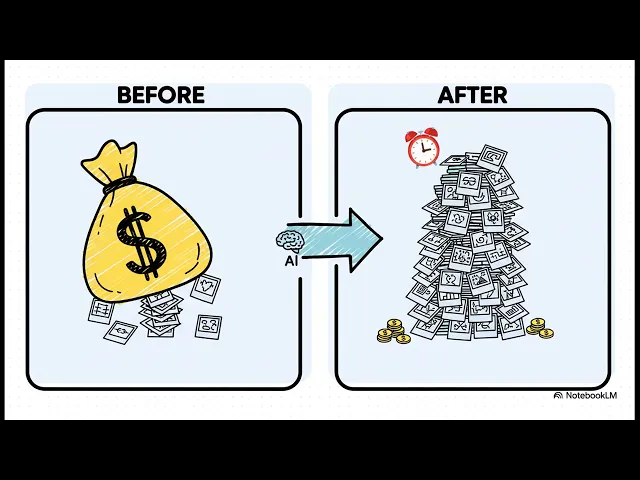
Calculating ROI on AI investments is a strategic evaluation process that compares upfront AI implementation costs against the hard financial returns of time saved, error reduction, and increased capacity. This framework empowers small and medium sized businesses to bypass industry hype and measure exactly when, where, and how their artificial intelligence initiatives will drive genuine bottom line profitability.
Audit the Baseline: Track the current time and financial resources drained by highly repetitive, manual tasks.
Calculate Total Cost of Ownership (TCO): Factor in software licences, cloud infrastructure, consulting fees, and workforce training hours.
Forecast Efficiency Gains: Quantify the direct operational savings resulting from streamlined and automated workflows.
Measure Ongoing Returns: Continually benchmark operational output and quality against your initial technological investments.
The Solution: 3 Steps to Building a Profitable Business Automation Roadmap
Step 1: Diagnose the Bottlenecks Before Buying the Tech
The quickest way to waste money is to throw shiny new software at a fundamentally broken process. Before writing a single line of code or signing up for a new platform, you must rigorously map your existing workflows. Identify where human critical thinking is genuinely required, and where manual data entry is just a bad habit.
By prioritising Clarity Before Code, you ensure that you are solving the right problems. As research on AI value demonstrates, targeted implementation based on clear operational friction is what actually generates lasting returns.
Step 2: Design and Phase the Implementation
Once you have diagnosed the root issues, it is time to build the blueprint. A successful business automation roadmap breaks down the digital transition into pragmatic, phased milestones. Rather than attempting a massive organisational overhaul all at once, you should start with high impact, low risk automated workflows.
This methodical pacing is crucial for managing AI implementation costs and keeping disruption to an absolute minimum.
Commercial Block: Streamline with Workflow Automation
Ready to modernise your daily operations without breaking existing systems? Explore our Workflow Automation services. Using our Strategy Led Delivery approach, we integrate secure, scalable tools seamlessly into your business, ensuring you see a return on investment within weeks, not years.
Step 3: Empower Your People to Lead the Tools
Technology does not replace great teams. It supercharges them. However, a lack of employee adoption is the fastest way to derail your efforts when evaluating AI profitability.
Your workforce needs to understand the governance, the guardrails, and the practical daily use of the tools you introduce. If your team is intimidated by the technology, the tools will sit unused, rendering the entire initiative a failure.
Q1: What are the hidden AI implementation costs for SMBs?
Beyond basic software licences, hidden costs often include data cleansing, cyber security upgrades, API integration fees, and the downtime associated with staff training. A thorough audit scopes these out in advance so there are no financial surprises.
Q2: How do I find reliable Australian AI consulting?
Look for approachable partners who prioritise data sovereignty, local compliance, and a Strategy Led Delivery approach. Reliable consultants focus on measurable business outcomes rather than simply pushing the latest technology trends.
Q3: How long does a business automation roadmap take to execute?
While a comprehensive company wide roadmap typically covers 12 to 18 months of strategic phasing, a focused high priority workflow automation project can often be deployed and driving ROI within 4 to 8 weeks.
Conclusion
Navigating the transition to an automated future does not require a blind leap of faith. It requires an approachable partnership and a proven, pragmatic strategy. By focusing on identifying real bottlenecks, managing costs, and empowering your team, you can transform operational anxiety into your greatest competitive advantage.
Let us cut through the hype and build something that actually works for your bottom line.
Get Ahead. Stay Ahead.
Ready to discover exactly where automation can drive profit in your business? Stop guessing and start strategising.
Contact us today to schedule your AI Audit at info@sunburntai.com.